
🦊 Aloka the Peace Dog
You might have heard of the Buddhist monks who embarked on a Walk for Peace from Texas to Washington, D.C. They walked 2,300 miles over 15 weeks. At their final stop on the journey, they invited the world to join them for a meditation at Georgia University, which was broadcast online. I don’t particularly enjoy Zoom meditations (or Zoom anything, really), but I was compelled to join simply because I knew so many in the world were all sitting at the same time.
I’m so glad I did. Sitting on my couch in silence, breathing deeply alongside thousands, felt like a rare moment of unity in this terrible period of pain.
You could tell people wanted this, needed this, desperately—the volume of traffic from people trying to join literally took the site down. The event was delayed, but it happened, and it was wonderful.
I’ve linked to the livestream recording below, so you too can sit with the monks in peace. The audio quality is a bit rough, but please bear with it and give it a watch. The talk at the end by their head monk, Venerable Bhikkhu Paññākāra, is worth the wait.
The monks offer a message of peace, patience, and loving kindness. These words are not new to us, but they hold power because of the monks’ actions. Their example amplifies their message.
Let us take the time to heed their words and honor their walk. We mustn’t let the countless footsteps of their calloused feet go in vain.
The monks are not the reason why I wanted to write to you today. At the end of the monk’s talk, a member of the crowd asked, “Where is Aloka?” Everyone in the audience cheered at this question. I felt a bit embarrassed that I had no idea who Aloka was. I’m so glad I took the time to find out.
What a journey it has been to discover the beautiful creature known as Aloka the Peace Dog. His story is incredibly inspiring. In the words of the head monk Bhikkhu:
“Aloka wasn’t born in comfort. He was once a stray, wandering the streets of India, surviving day by day. And then he found the Venerable Monks. For over 100 days, this little stray walked alongside them, every step of the way just like the Walk for Peace happening today. No complaints. No hesitation. Just loyalty, courage, and a spirit that refused to be broken.”
To honor Aloka, I took some time to sketch him while out on a shoreline park. I somehow forgot my paint palette at home, so I made do by working with pen and pencil, and applying a wash using the coffee-stained water from my iced mocha. We artists must make the most of what tools we have!
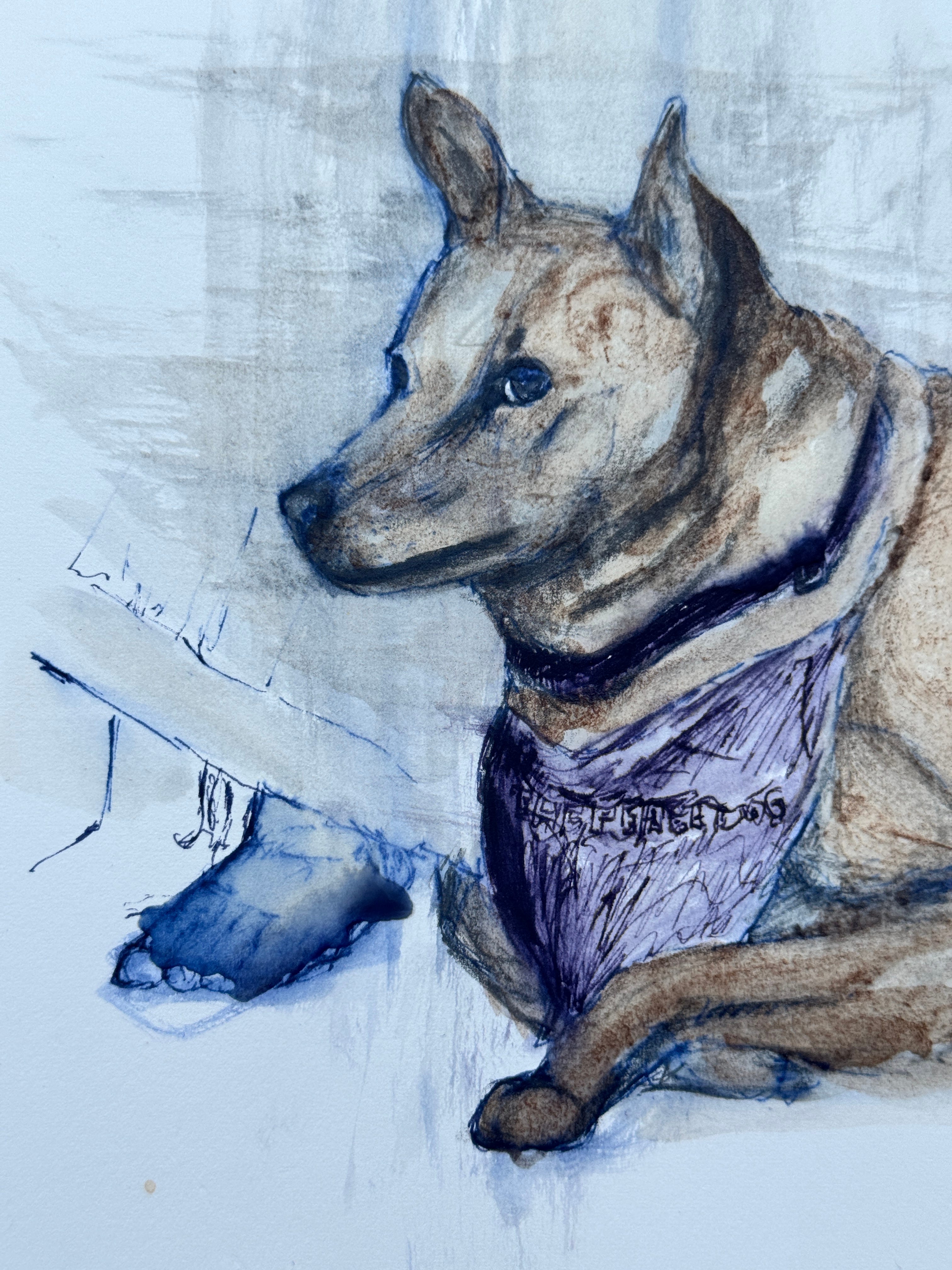
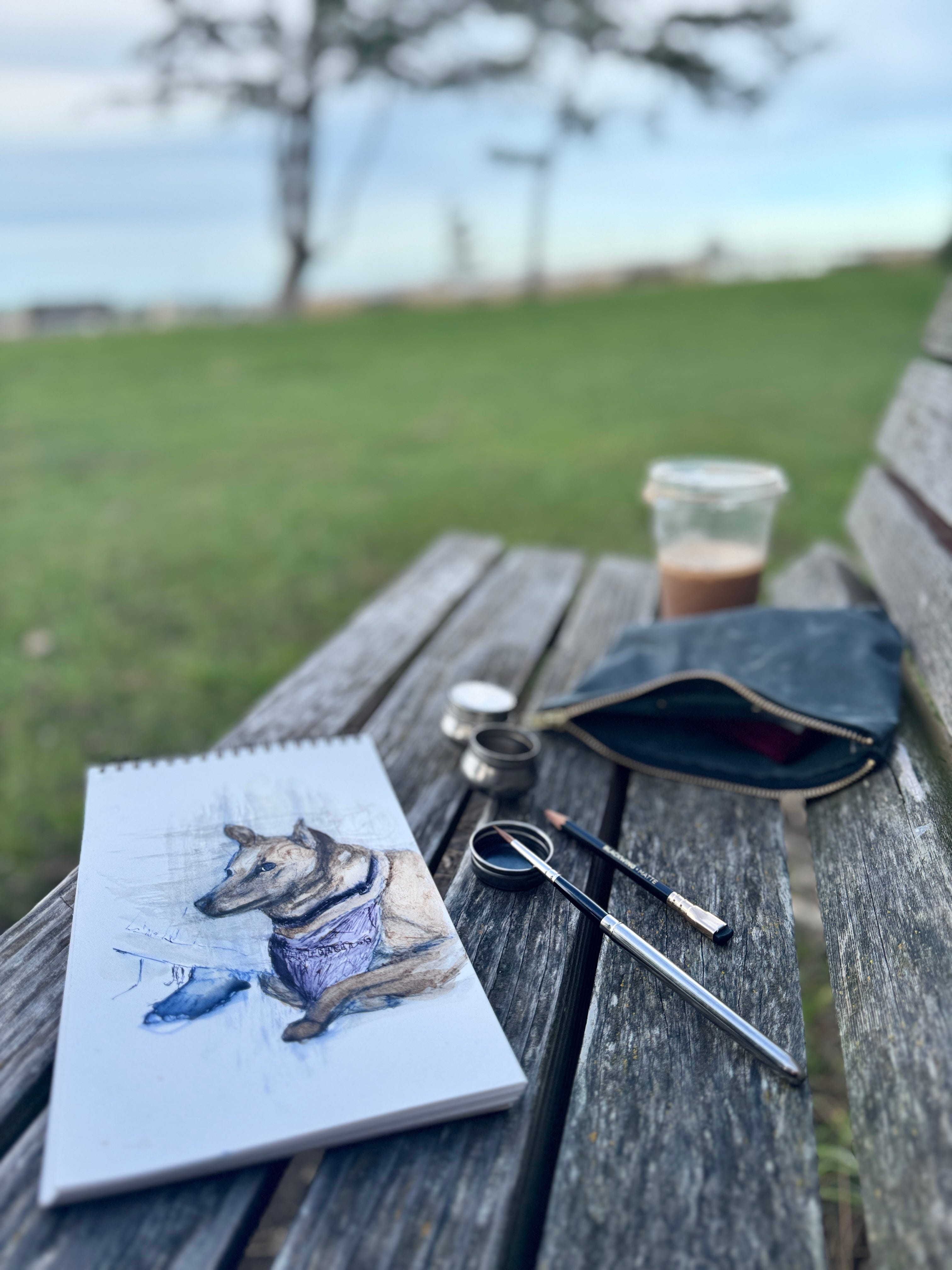
Aloka has quickly become an international sensation, capturing the hearts of millions. I highly recommend perusing his Instagram (@alokathepeacedog) or his other platforms, some of which have more than a million followers. (After all, what good is social media these days besides animal videos?!) It’s worth noting his accounts were only started in December of 2025, just a few months ago—a testament to how quickly people have fallen in love with him.

As I read comment after comment, I was moved by how deeply invested people had become in Aloka’s journey. People would comment with pre-emptive distress about the coming end of the walk, worrying they would no longer get updates of Aloka, practically begging the monks to keep up the posts. Aloka had become part of their routine, their family.
I began to wonder: What is it about animals that can unite us, captivate us, bring out gushing waves of love from within us, a river we didn’t know we had?
I believe animals are a window into truth. When we look at an animal, we can sense their way of life, so foreign and fascinating to us. We observe their effortless innocence, their natural beauty, and the harmony with which they coexist within a greater ecosystem.
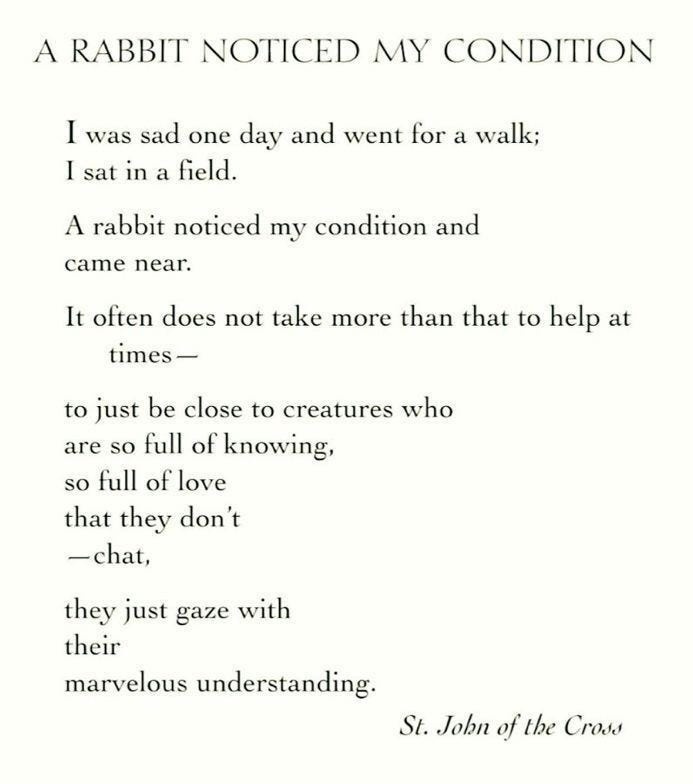
Maybe deep down, we envy the animals. If given the choice, we might pick the guiltless path of an animal’s life, even if it meant a quicker end. If only we could be like them, and live in their wild world, then we’d be free to walk and prance and trot without worrying that every step we take harms the land.
Such is the paradox of humanity—we create the conditions that turn our very existence into a poison, and we cannot seem to undo our act, individually helpless, yet collectively harmful.
The missive is also a message, an example.
Thank you for writing this!